

Legal

Growing Use of Artificial Intelligence in U.S. Immigration Adjudications Is Driving Higher RFE and Denial Rates 

U.S. immigration agencies are rapidly expanding their use of Artificial Intelligence (AI) in case processing, fraud detection, and security screening. While these systems are intended to improve efficiency, they are also contributing to a measurable rise in Requests for Evidence (RFEs), Notices of Intent to Deny (NOIDs), denials, and erroneous rejections across multiple visa categories. ...
Read more

TTB Shares Guidelines on Using AI-Generated Images in Alcohol Advertising

Alcohol brands are rushing to embrace artificial intelligence (AI)-generated imagery. It’s cost-effective, fast, and visually stunning. But there’s a compliance conversation the industry needs to have. Recently, the Alcohol and Tobacco Tax and Trade Bureau (TTB) published guidance on the use of AI-generated images in alcohol beverage advertising – a clear signal that regulators are paying attention ...
Read more

It’s Workplace Violence Prevention Month: Is Your Business Prepared?

April is Workplace Violence Prevention Month, serving as a reminder for all employers that dangerous altercations can happen anywhere, even at work. Anyone who comes in contact with your business – like guests, customers, patients, contractors, or even employees – can create a safety risk. And these risks can vary depending on what industry you’re ...
Read more

Resort Employee Can Proceed with Disability Suit Over Service Dog in Housing: What Hospitality Employers Should Know

A recent federal court ruling presents a cautionary tale for employers when handling employee disability-related requests. The US District Court for the District of Utah’s January 13 decision allows the employee to proceed with discrimination claims against a mountain resort for failing to provide a disability-related accommodation in employer-provided housing. The employee claimed that Flaming ...
Read more

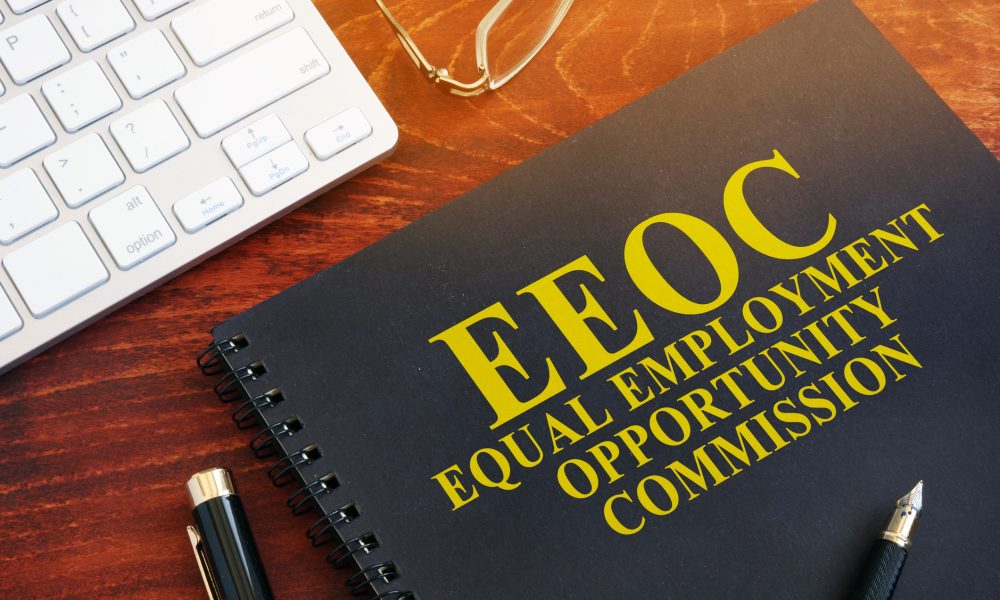
EEOC Revokes Workplace Guidance on Gender Identity: Here’s What Employers Need to Know

As we anticipated, the Trump administration rescinded Biden-era guidance yesterday on transgender rights in the workplace. In a 2-1 vote, the Equal Employment Opportunity Commission (EEOC) scrapped enforcement guidance requiring employers to provide bathroom, dress, and pronoun accommodations to applicants and workers. While Democratic Commissioner Kalpana Kotagal cautioned that the rule could only be lawfully ...
Read more

Websites Become New Litigation Battleground for Restaurant Industry: 5 Steps You Can Take to Avoid Problems in 2026

Restaurants have found themselves in the crosshairs of a nascent legal strategy targeting their use of commonplace tracking technologies like pixels, analytics, and session replay tools on their websites. Since 2022, hundreds of eating establishments, particularly those in California, have received demand letters claiming violations of state and federal wiretapping and privacy laws. These legal ...
Read more

Thinking About Traveling Internationally? What Foreign Nationals Should Know Before Leaving the U.S. 

As we head into the holiday season, many foreign nationals living and working in the United States are considering international travel. Before making plans, it’s important to understand that international travel can still carry significant risks — especially for those with pending immigration applications or visa renewals. If travel is not absolutely necessary, we strongly ...
Read more

FP Snapshot for Hospitality Employers: Appeals Courts Split on Liability Standard for Workplace Harassment by Non-Employees

Welcome to this edition of FP Snapshot for Hospitality Employers, where we take a quick snapshot look at a recent significant workplace law development with an emphasis on how it impacts employers in the hospitality industry. This edition is devoted to a recent federal appeals court ruling that sets a new standard for determining employer ...
Read more

Navigating Legal Risk in the Remote Work Era

The widespread adoption of remote work arrangements has reframed the employment landscape, offering organizations access to a broader talent pool and increased operational flexibility. However, this reorganization also presents complex legal challenges—many of which remain underappreciated. As employees work from locations that may be hundreds or thousands of miles from their employers’ offices, questions of applicable law, regulatory obligations, and legal ...
Read more